
The Rich World of Coffee: From Ancient Origins to Modern Standards
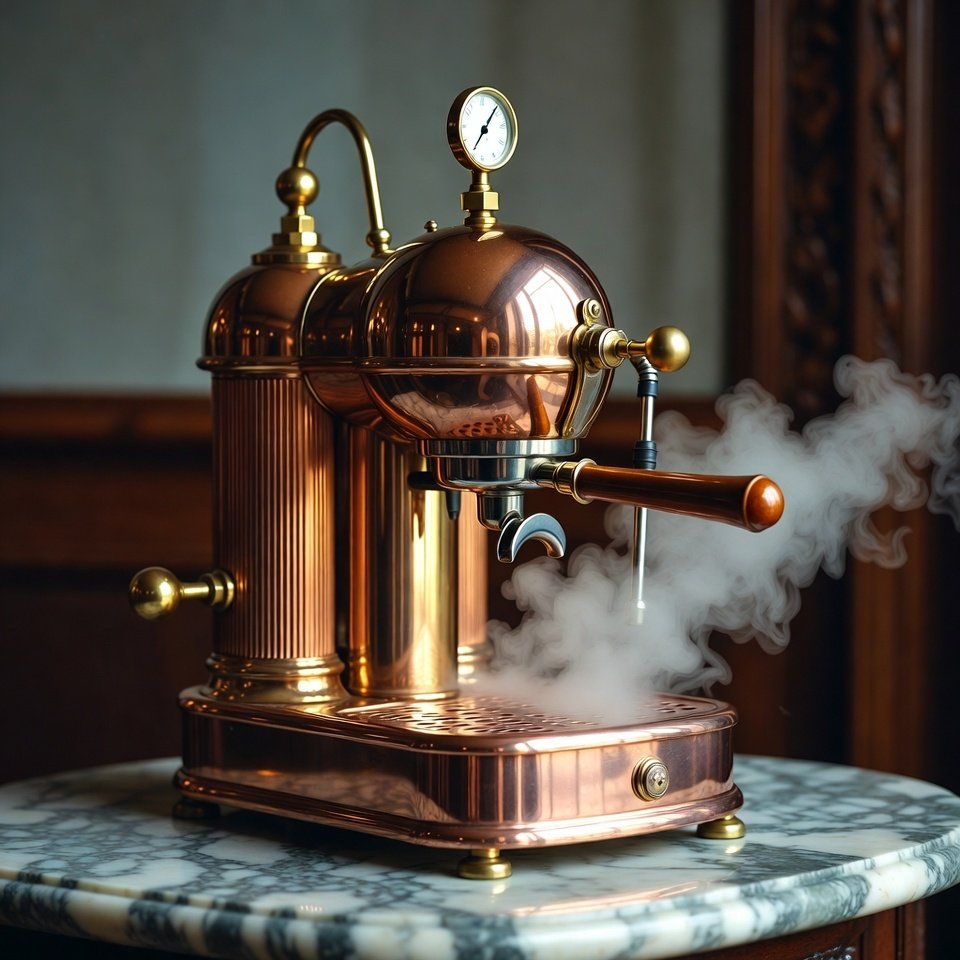
Table of Contents
The Ancient Origins of Coffee
The fascinating history of coffee begins in the ancient coffee forests of Ethiopia, where legend tells of a goat herder named Kaldi who discovered the magical powers of this unique plant around 800 AD. According to the story, Kaldi noticed his goats became unusually energetic after eating red berries from a particular tree, and upon trying the berries himself, he experienced a similar vitality . Kaldi reported his findings to a local monk, who struggled to stay awake during evening prayers, and thus the first coffee beverage was born, though the modern version we know would take centuries to develop. Another version of coffee history suggests the nomadic Oromo people of Ethiopia and northern Kenya were actually the first to consume coffee, primarily eating the berries for energy during long journeys.
The journey of coffee from simple berry to beloved beverage took several centuries, with the earliest confirmed evidence of coffee drinking dating back to 15th century Yemen in the Arabian Peninsula . Sufi mystics in Yemen were known to use coffee to help them stay awake during long nights of prayer and devotion, valuing the drink for its stimulating properties that enhanced their spiritual practices. The coffee plant originally grew wild in Ethiopia, but it was in Yemen that systematic cultivation began, establishing the world’s first coffee plantations and creating an agricultural foundation for what would become a global phenomenon. The term “coffee” itself evolved from the Arabic word “qahwa,” which originally referred to a type of wine, reflecting the importance of the beverage in Islamic culture where alcohol was prohibited.
From these humble beginnings, coffee began its transformation from a local secret to an international commodity, traveling along trade routes and captivating new cultures with its unique properties and social appeal. The world’s first coffee house opened in Constantinople (now Istanbul) in 1475, establishing a model of social consumption that would spread throughout the world . These early establishments served as vibrant centers of social activity where people gathered not only to drink coffee but to engage in conversation, enjoy music, watch performances, and exchange news. This social dimension of coffee culture would prove essential to its global spread, making coffee much more than just a beverage but a catalyst for human connection and intellectual exchange across continents and centuries.
Coffee’s Journey Across the Globe
The global expansion of coffee truly began when the beverage traveled beyond the Arabian Peninsula, reaching the eager markets of Europe in the 17th century . European travelers to the Middle East returned with tales of this exotic black beverage, initially regarding coffee with a mixture of suspicion and fascination. When coffee first arrived in Venice in 1615, local clergy condemned it as the “bitter invention of Satan,” creating a controversy so significant that Pope Clement VIII was asked to intervene . The Pope decided to taste the beverage himself before making a judgment, and finding it so satisfying, he gave it papal approval, effectively clearing the way for coffee to spread throughout Christian Europe without religious opposition.
The establishment of European coffee houses created new social institutions that profoundly influenced society, commerce, and intellectual life . England’s “penny universities” offered both a cup of coffee and stimulating conversation for a penny, becoming crucial centers for the exchange of ideas across social classes. By the mid-17th century, London had over 300 coffee houses, many specializing in serving particular clientele such as merchants, artists, or brokers . These specialized coffee houses sometimes gave birth to significant businesses – most notably Lloyd’s of London, the global insurance marketplace, which began at Edward Lloyd’s Coffee House . The coffee house culture of Europe mirrored the social function of the qahveh khaneh in the Middle East while adapting to local customs and needs.
The spread of coffee cultivation to new regions became a priority for European colonial powers, leading to botanical smuggling and agricultural experimentation . The Dutch managed to obtain coffee seedlings in the latter half of the 17th century, successfully cultivating them in Java (Indonesia) after failed attempts in India . The Dutch then created the world’s first coffee blend by combining Arabian Mocha coffee with Java coffee, a combination known as Mocha Java that remains popular today . In 1714, the French received a coffee tree as a gift to King Louis XIV, who ordered it planted in the Royal Botanical Garden in Paris . From this single tree, a French naval officer named Gabriel de Clieu obtained a seedling and transported it to Martinique, where it thrived and became the progenitor of most coffee trees throughout the Caribbean and Latin America .
Coffee eventually reached the Americas, where it would eventually become the beverage of choice after the Boston Tea Party in 1773 made tea drinking unpatriotic . The Brazilian coffee industry began thanks to a clandestine affair when a Portuguese military officer was sent to French Guiana to obtain coffee seedlings . The French governor was unwilling to share, but the governor’s wife, captivated by the handsome officer, presented him with a bouquet of flowers containing enough coffee seeds to begin Brazil’s billion-dollar coffee industry . As coffee plantations spread throughout Central and South America, the global coffee trade expanded exponentially, transforming coffee from an exotic luxury into an everyday necessity for millions of people around the world by the 19th century.
The Fundamental Mechanisms of Coffee Preparation
The process of creating that perfect cup of coffee relies on basic scientific principles that have been refined over centuries, though the fundamental goal remains extracting optimal flavor from the coffee beans. At its core, coffee preparation involves passing hot water through ground coffee beans to dissolve desirable compounds like oils, sugars, and caffeine, while avoiding excessive extraction of bitter elements. The grind size, water temperature, contact time, and pressure applied all dramatically affect the final beverage, creating the astonishing diversity of coffee drinks we enjoy today. Understanding these mechanisms helps explain why brewing methods as different as Turkish coffee and modern espresso both produce delicious yet distinctly different coffee experiences.
The roasting process represents another crucial mechanism in coffee preparation, transforming green, grassy-smelling coffee beans into the fragrant brown beans we recognize. During roasting, coffee beans undergo complex chemical changes including the Maillard reaction and caramelization, which develop the characteristic coffee flavor and aroma compounds. The roast level significantly impacts the final taste – light roasts preserve more of the bean’s origin characteristics, while dark roasts feature deeper, toastier notes from the roasting process itself. Professional roasters carefully control time and temperature to highlight specific qualities in each batch of coffee beans, making roasting both a science and an art form essential to quality coffee.
The invention of the espresso machine in 1901 by Luigi Bezzerra revolutionized coffee preparation by introducing a mechanical system that used pressure to dramatically reduce extraction time . This innovative coffee technology forced hot water through finely-ground coffee at approximately 8-10 bars of pressure, producing a concentrated, syrupy shot of coffee in just 20-30 seconds . The espresso machine not only created a new category of coffee but served as the foundation for countless milk-based coffee drinks that would become popular worldwide. This method of coffee preparation represented a significant departure from earlier slow-steeping methods, catering to increasingly fast-paced urban lifestyles while creating new social rituals around coffee consumption.
Filter brewing methods developed as an alternative approach to coffee preparation, aiming to produce a clean cup by separating grounds from the brewed liquid. In 1908, German homemaker Melitta Bentz revolutionized home coffee brewing by inventing the paper filtration system after growing tired of bitter sediment in her coffee . She punched holes in a brass cup, fitted it with blotting paper from her son’s school supplies, and placed ground coffee inside before pouring hot water over it . This simple yet effective coffee brewing method removed unwanted oils and sediment, producing a smoother cup and establishing a company that would continue to innovate coffee preparation technology for over a century.
Traditional Coffee Varieties and Their Inventors
The world of traditional coffee encompasses two primary categories: black coffee variations and milk-based espresso drinks, each with distinct preparation methods and historical origins. Black coffee types include classics like espresso, Americano, lungo, and filter coffee, all sharing the commonality of containing no milk while offering different intensity levels and flavor profiles . Espresso serves as the foundation for many popular coffee drinks, consisting of a single shot (25-30ml) of concentrated coffee that forms the base for milk-based preparations . Americano coffee emerged as a solution for Americans in Europe during the world wars who found espresso too strong; baristas diluted it with hot water to create a coffee more reminiscent of American drip coffee . Lungo coffee, meaning “long” in Italian, extends the brewing time for a slightly different flavor profile than Americano .
Milk-based coffee drinks showcase the creativity of different cultures in modifying and enhancing the espresso experience. The cappuccino, one of Italy’s most beloved coffee drinks, offers a perfect balance of espresso, steamed milk, and milk foam in a traditional 1:1:1 ratio . Caffè latte, possibly the world’s most popular coffee drink, consists of 1/5 espresso and 4/5 steamed milk, creating a mild, creamy flavor that makes it accessible to those preferring a gentler coffee experience . The flat white represents Australia’s contribution to coffee culture, essentially a cappuccino without the thick milk foam, allowing the espresso to play a more prominent role in this distinctly Antipodean coffee . Each milk-based coffee drink reflects subtle variations in the ratio of espresso to milk to foam, creating dramatically different taste experiences.
More intense milk-based coffee options cater to those who want some creaminess without significantly diluting the espresso flavor. The cortado, whose name comes from the Spanish verb “cortar” (to cut), features a 1:1 ratio of espresso to steamed milk, creating a stronger coffee experience than a flat white . Macchiato coffee, whose name means “spotted” or “stained” in Italian, consists of espresso with just a small dollop of milk foam that lightly covers the surface . This coffee preparation retains most of the bold intensity of straight espresso while softening the edge with just a hint of milk, making it the most intense milk-based coffee option . These traditional coffee drinks continue to be enjoyed worldwide, demonstrating the enduring appeal of well-balanced coffee recipes.
Table: Traditional Coffee Drinks and Their Composition
Coffee Type | Espresso | Steamed Milk | Milk Foam | Additional Components |
Espresso | 100% | – | – | – |
Macchiato | 90% | – | 10% | – |
Cortado | 50% | 50% | – | – |
Cappuccino | 33% | 33% | 33% | – |
Flat White | 40% | 60% | Light layer | – |
Caffè Latte | 20% | 80% | Thin layer | – |
Americano | 50% | – | – | 50% hot water |
Global Coffee Traditions and Variations
Beyond the familiar Italian coffee preparations, countless international coffee traditions reflect local ingredients, cultural practices, and historical circumstances. In Turkey, coffee is prepared by boiling extra-finely powdered coffee beans in a special kettle called a cezve, often over heated sand, resulting in an unfiltered, robust drink with grounds that settle at the bottom of the cup . This traditional coffee preparation method differs significantly from espresso and plays an important role in social and fortune-telling customs. Similarly, in Ethiopia, the birthplace of coffee, the traditional coffee ceremony called buna represents an elaborate ritual that can take two to three hours, featuring beans roasted and ground by hand before being blended with water and poured from a spouted vessel .
Asian coffee traditions have developed distinctive characteristics influenced by local tastes and colonial histories. Vietnamese coffee, known as cà phê sữa đá, typically combines strong dark roast coffee with sweetened condensed milk, a practice that originated during French colonial rule when fresh dairy was scarce . This refreshing coffee drink is traditionally brewed using a single-serving metal phin filter that drips the coffee slowly into the waiting milk below. In Hong Kong, yuenyeung coffee represents a fascinating cultural fusion, blending coffee with milk tea in a harmonious marriage that reflects the city’s East-Meets-West heritage . This unique coffee and tea combination originated in the 1950s and remains popular throughout Hong Kong today.
Latin American coffee cultures have developed their own distinctive preparations that highlight local ingredients and traditions. Brazilian cafezinho, which means “a little coffee,” is a strong, sweet coffee prepared by dissolving unrefined cane sugar in boiling water before adding finely ground coffee directly to the pot . This traditional coffee preparation is synonymous with hospitality in Brazil, the world’s largest coffee producer. Meanwhile, Mexican coffee often takes the form of café de olla, brewed in a traditional earthenware pot with cinnamon, cloves, and sometimes chocolate, sweetened with piloncillo (unrefined cane sugar) . This spiced coffee possibly originated during the Mexican Revolution when it was prepared in large earthenware crocks for soldiers.
Scandinavian and innovative American coffee traditions round out the global picture of diverse coffee preparations. In northern parts of Finland, Sweden, and Norway, kaffeost coffee involves placing chunks of lightly sweet “bread cheese” at the bottom of a mug before pouring hot coffee over it . Drinkers then consume both the coffee and the coffee-soaked cheese, creating a unique savory-sweet coffee experience. The United States has contributed nitro cold brew coffee to the global coffee scene – a cold brew coffee infused with nitrogen gas that creates a velvety texture and foamy head similar to certain beers . This innovative coffee preparation was invented in 2013 and popularized by major chains, representing the continuing evolution of global coffee culture.
The New Age of Coffee Innovation
The contemporary coffee landscape has been transformed by what industry experts call the “third wave” of coffee, characterized by increased consumer interest in origin, production methods, and artisanal preparation techniques . This modern approach to coffee treats it as an artisan beverage rather than a commodity, similar to wine, with attention to varietals, growing regions, and processing methods. Third wave coffee culture emphasizes direct trade, sustainable farming practices, and precise brewing methods that highlight the unique characteristics of high-quality beans. This movement has elevated coffee appreciation to new heights while educating consumers about the complexity and diversity of specialty coffee experiences.
Modern coffee technology has revolutionized how we prepare and enjoy coffee, making specialty brewing methods accessible to home enthusiasts. Devices like the AeroPress, invented in 2005, have gained cult status for their ability to produce rich, smooth coffee quickly and conveniently . The precision of pour-over coffee systems like Hario V60 and Chemex appeals to those who appreciate controlling every variable in their coffee brewing process. Meanwhile, cold brew coffee systems have made it easy to create smooth, low-acidity coffee concentrates at home, reflecting consumer interest in alternative brewing methods. These technological innovations have democratized specialty coffee preparation, allowing enthusiasts to explore new dimensions of coffee flavor without professional equipment.
Recent inventions continue to enhance and transform the coffee experience in unexpected ways. The WACACO Nanopresso, patented in 2017, is a portable lightweight espresso machine that enables coffee lovers to enjoy quality espresso anywhere without electricity . Creative products like Coffee StiX, patented in 2016, embed precise amounts of sugar and milk powder within a stirring stick, allowing busy coffee drinkers to customize their beverage without mess or waste . Even the humble coffee sleeve has seen innovation, with Starbucks patenting an improved version in 2007 that offers better grip and drink identification . These inventions demonstrate how cooffee culture continues to evolve through technological problem-solving.
The contemporary coffee shop experience has expanded far beyond simple beverage service to encompass diverse social functions and aesthetic environments. In South Korea, themed coffee shops have become cultural destinations, with venues dedicated to specific concepts like flowers, vintage vinyl records, or even skateboarding culture . These specialized coffee spaces serve as social hubs, remote workplaces, and artistic showcases simultaneously, redefining the role of the coffee establishment in modern urban life. Similarly, the growth of artisan coffee roasters with transparent sourcing practices reflects increasing consumer interest in the ethical and environmental dimensions of their coffee consumption, pointing toward a more conscious and connected coffee culture for the future.
Standards and Quality in Coffee Production
The Specialty Coffee Association (SCA) plays a crucial role in establishing and maintaining coffee standards that ensure quality and consistency across the global coffee industry. These coffee standards define requirements for various aspects of coffee production, preparation, and equipment, creating a common language and set of expectations for professionals worldwide . The SCA’s standardization process follows specific principles including user-focused development, voluntary implementation, global scope, research-based development, and consensus among stakeholders . This rigorous approach to coffee standards helps maintain quality while fostering innovation and continuous improvement throughout the coffee community.
The development process for coffee standards involves multiple stakeholders and expert groups to ensure comprehensive and practical guidelines. Community members can propose new coffee standards through guilds or directly to the SCA’s technical office, with the Standards Development Panel voting on which proposals to include in the development calendar each year . Once approved, standards are assigned to staff leaders who invite select experts to form working groups that produce draft standards . These draft coffee standards then undergo review by the Standards Development Panel, which consults with stakeholders before voting to approve, revise, or reject the proposed standards . This collaborative process ensures that coffee standards reflect the diverse needs and expertise of the global coffee community.
Current coffee standards in development address evolving areas of interest and concern within the specialty coffee industry. These include SCA-120 Coffee Processing – Green Coffee Identity Standard, which aims to establish clear terminology and practices around coffee processing methods . Another standard in development is SCA-130 Coffee Roasting – Roast Level Designations, which will create consistent parameters for describing roast profiles . Additionally, SCA-352 Fully Automatic Espresso Machines: Specifications and Test Methods seeks to standardize evaluation criteria for automated coffee equipment . These developing coffee standards demonstrate how the industry continues to refine its practices and maintain quality across evolving technologies and methods.
The implementation of coffee standards has far-reaching implications for quality, sustainability, and professional development throughout the coffee supply chain. Standards can form the basis for certification programs, like the SCA’s Certified Home Brewer program, which helps consumers identify equipment that meets specific performance benchmarks . By establishing clear criteria for evaluating coffee quality, brewing equipment, and professional competencies, these coffee standards support education, commerce, and quality improvement across the industry. The transparent, inclusive development process for coffee standards ensures they remain relevant and valuable to all stakeholders, from farmers to baristas to coffee enthusiasts enjoying their daily cup.
Conclusion: The Enduring Appeal of Coffee
From its mysterious origins in Ethiopia to its current status as a global cultural phenomenon, coffee has demonstrated remarkable adaptability while maintaining its core appeal across centuries and continents. The journey of coffee reflects broader patterns of human history, including trade, colonization, industrialization, and globalization, all influencing how people grow, prepare, and consume this remarkable beverage. Today’s coffee culture encompasses both reverence for tradition and enthusiasm for innovation, creating a dynamic landscape where centuries-old preparation methods coexist with cutting-edge technology. This rich tapestry of coffee traditions and innovations ensures that there is always something new to discover within the world of coffee.
The social dimension of coffee continues to be as important as the beverage itself, with modern coffee shops serving functions remarkably similar to the original qahveh khaneh of the Middle East. These spaces facilitate conversation, creativity, and community, proving that coffee‘s role as a social catalyst remains undiminished by time or technological change. The ongoing development of coffee standards and sustainable practices points toward a future where coffee can be both high-quality and ethical, satisfying discerning palates while supporting farming communities and ecosystems. This evolving consciousness around coffee consumption represents perhaps the most significant development in recent coffee culture.
As we look toward the future of coffee, it’s clear that this ancient beverage will continue to evolve while maintaining its essential character. Emerging trends in coffee preparation, consumption, and business models will undoubtedly create new expressions of coffee culture, just as each generation throughout history has left its mark on how we enjoy this versatile beverage. Whether you prefer traditional Turkish coffee, modern specialty espresso, or innovative cold brew, the world of coffee offers endless possibilities for exploration and enjoyment. The remarkable story of coffee reminds us that this beloved beverage is much more than a caffeine delivery system – it’s a living tradition that continues to connect people across time and space through shared experiences and universal appreciation.